
Inside the Energy Transition: Five Hard Truths from Our 2025 Panel
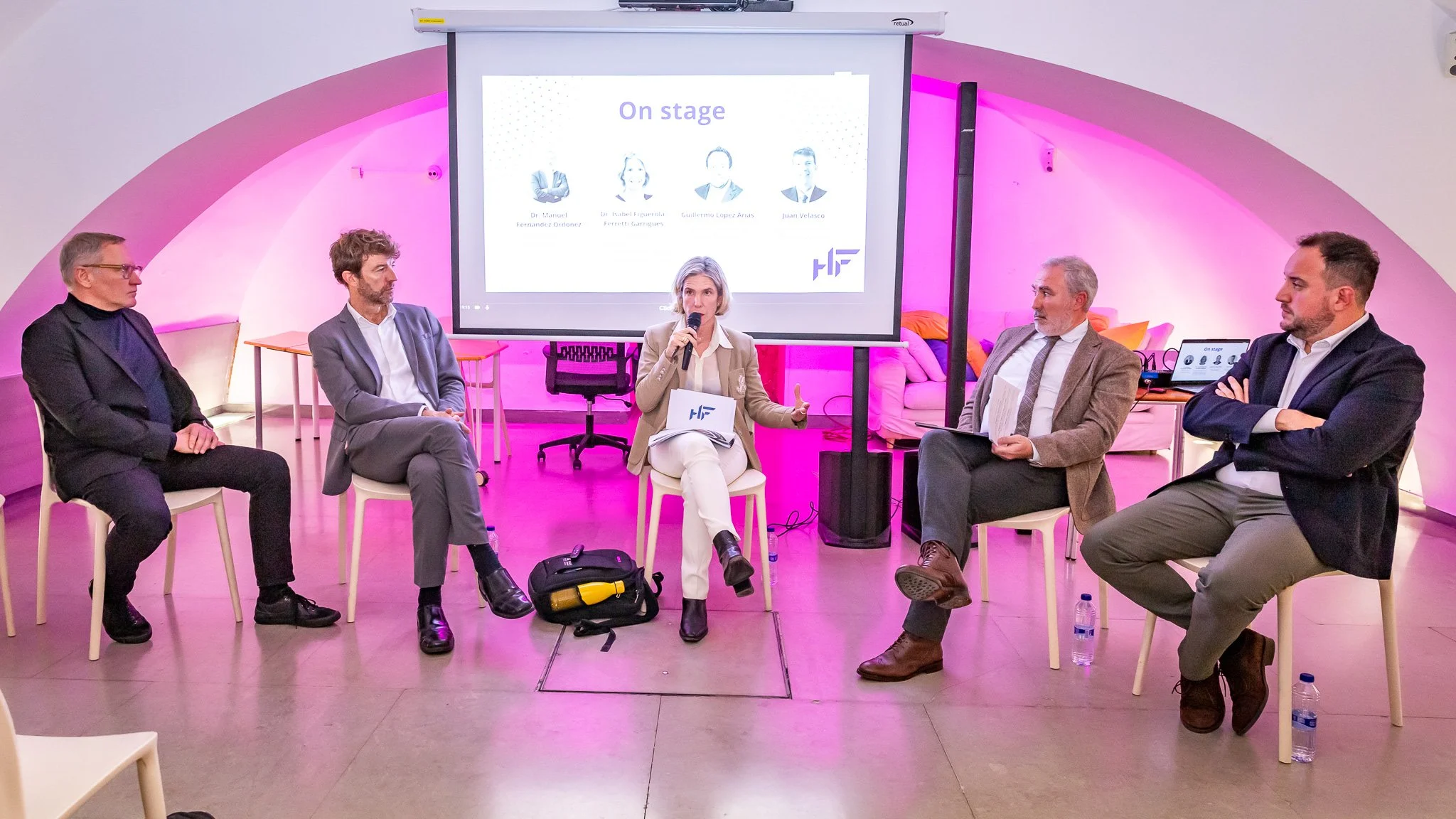
Our Energy Technology panel was marked by open and sometimes even intense debate. The panelists confronted the uncomfortable realities of today’s energy sector head-on.
Here are key takeaways from the evening:
1. The "Zero Price" Paradox
We discussed the volatility of pricing mechanisms. We face a split reality: extreme price spikes when sun/wind are absent, and near-zero prices when they are abundant.
This raises a crucial financial question: if prices drop to zero, who pays for the backup and balancing energy sources that keep the system running? Without a viable business model to support those balancing resources, the stability of the grid is at risk.
2. The Material Deficit
We often focus on energy generation, but rarely on the raw materials behind it. The panellists expressed serious concerns about Europe’s dependence on foreign imports for critical resources such as gas, uranium and even copper, which is essential for electricity distribution. These materials are not found in Spain and are scarce across the continent.
3. The Storage Gap & Hydrogen's Cost
The discussion naturally led to the need for alternative balancing mechanisms (like massive battery storage). An audience question highlighted the practicalities of hydrogen. The panellists affirmed that while it is a hot topic at the EU level, the reality is that production and storage remain extremely expensive and scarce, underscoring the scale of the challenge.
4. The Nuclear Reality
There was a clear consensus regarding Spain's nuclear fleet. Despite political plans to phase out these power stations, the panel did not view their closure as a realistic option for maintaining a robust energy market. The sentiment was strong that removing this stable baseload capacity undermines grid reliability.
5. The Call for Energy Literacy
Crucially, the audience called for better energy market education for all citizens, not just the youth. The reality is that the energy market is complex, and a lack of understanding of basic pricing mechanisms leaves significant room for misinformation and speculation. Education drives trust.
The Bottom Line: The transition to completely clean energy will be slower than many hope. Natural gas will remain inevitable for the foreseeable future, and, critically, incentives based on financial instruments must be in place to drive the transition. We need to have honest conversations about how we finance the "backup" when the sun shines brightest.
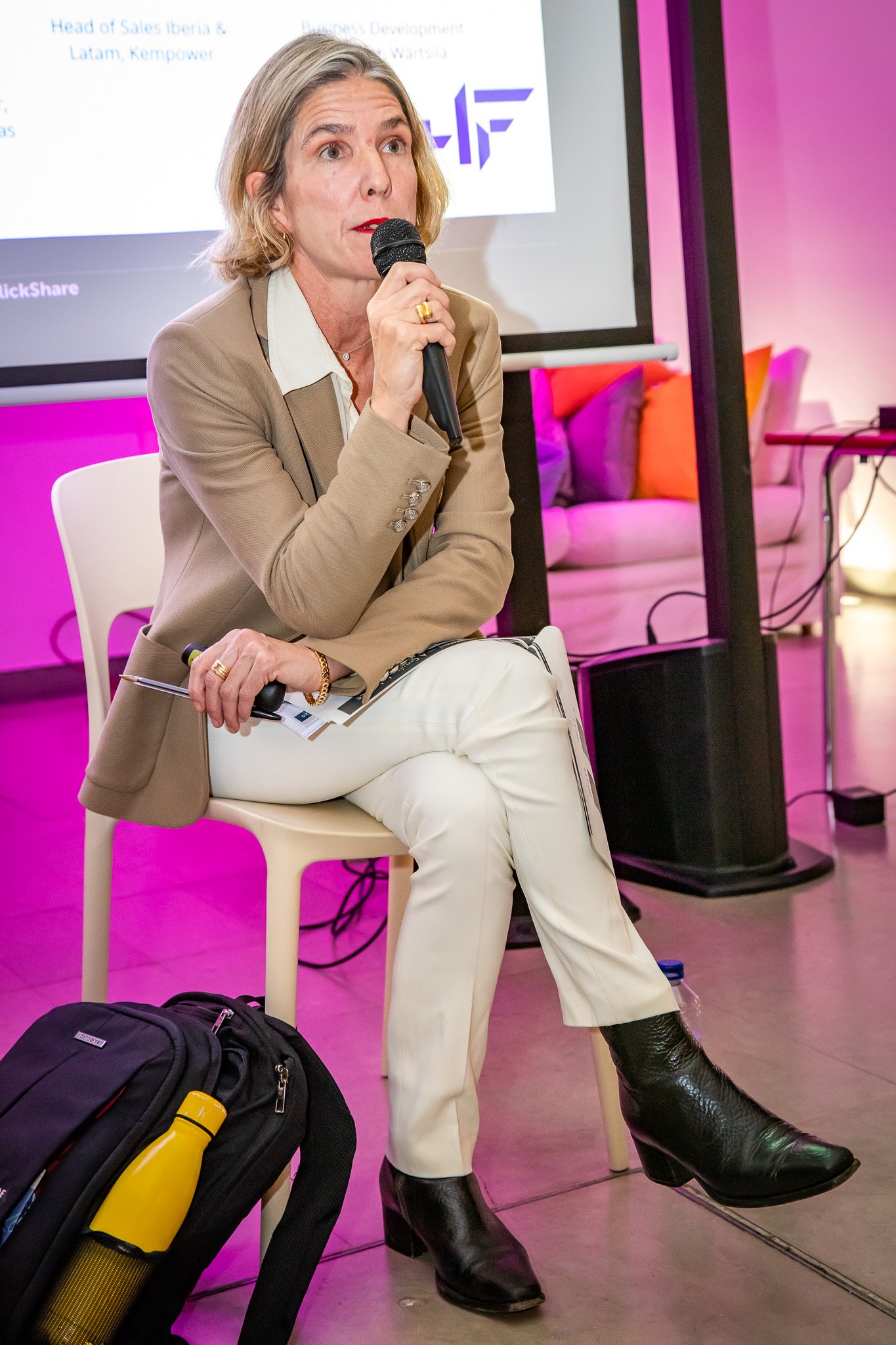
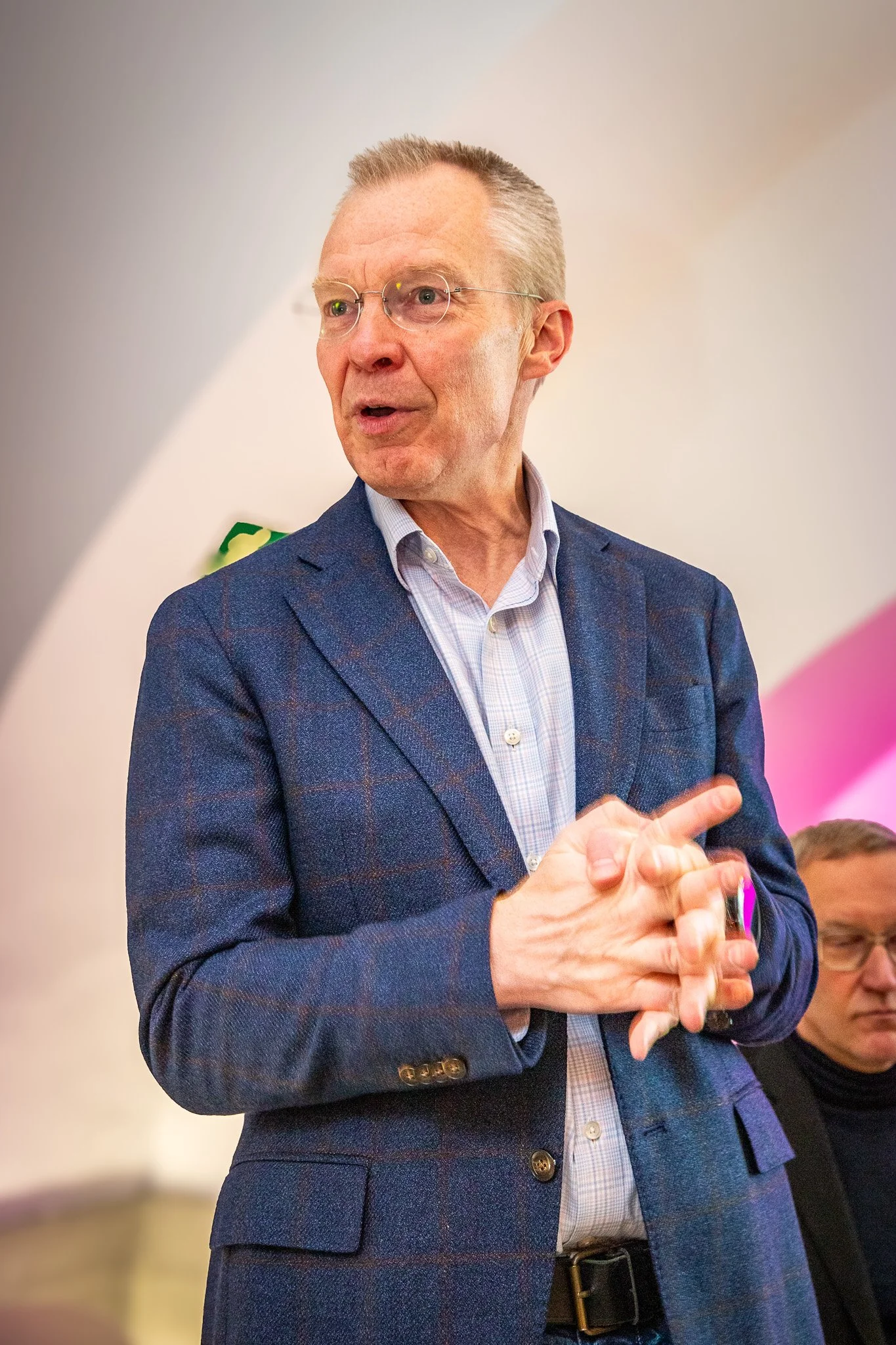
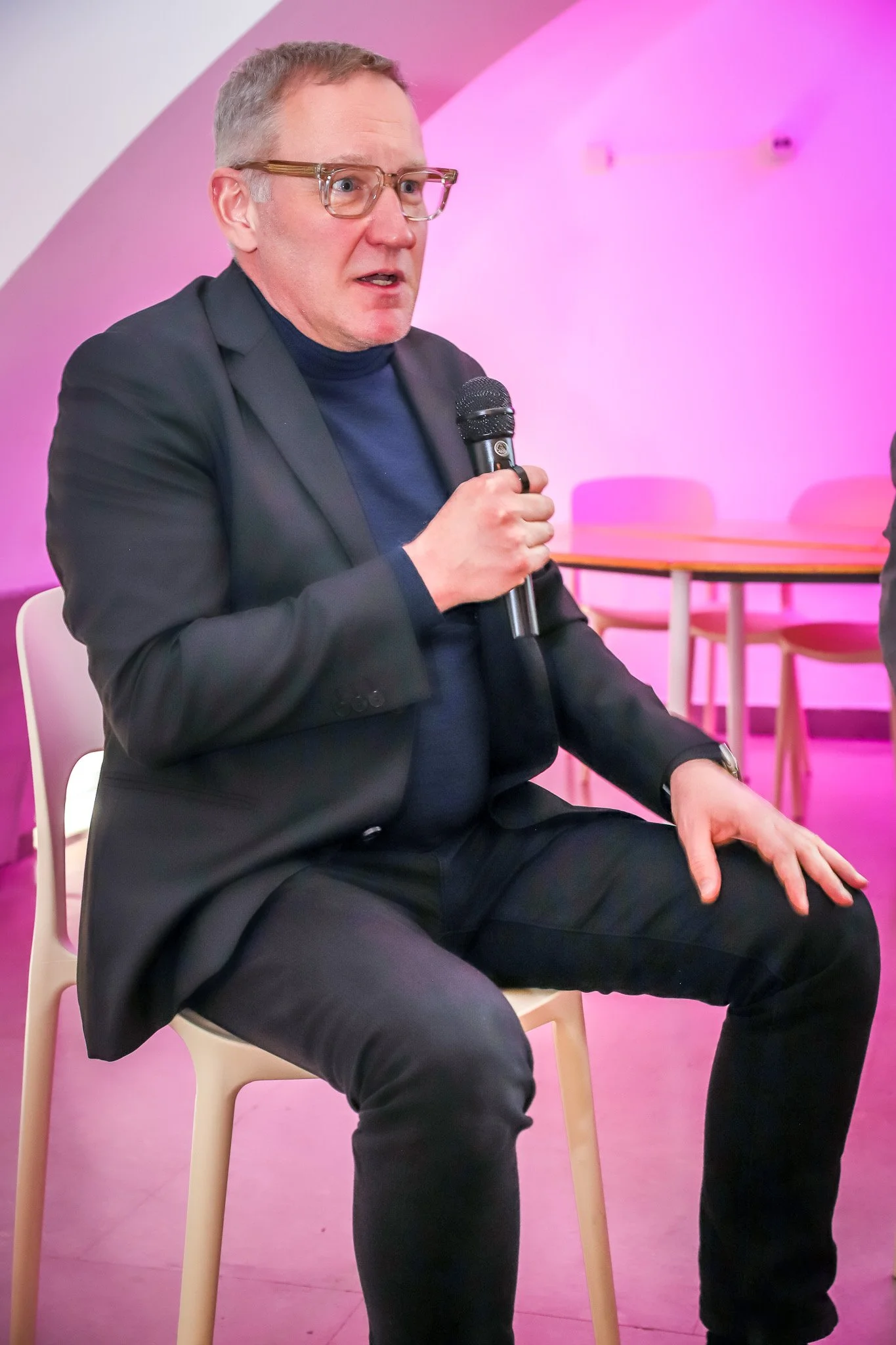
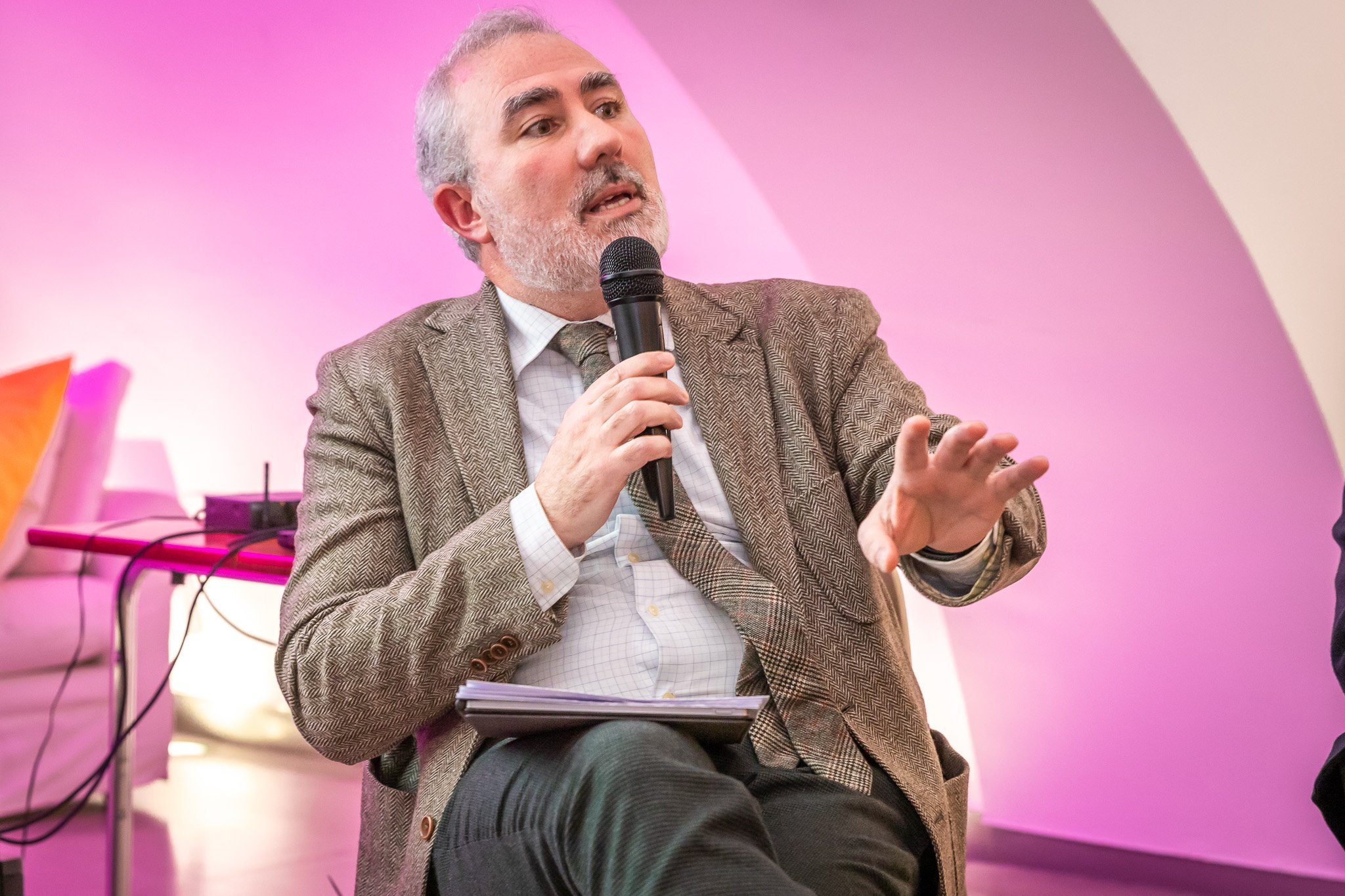
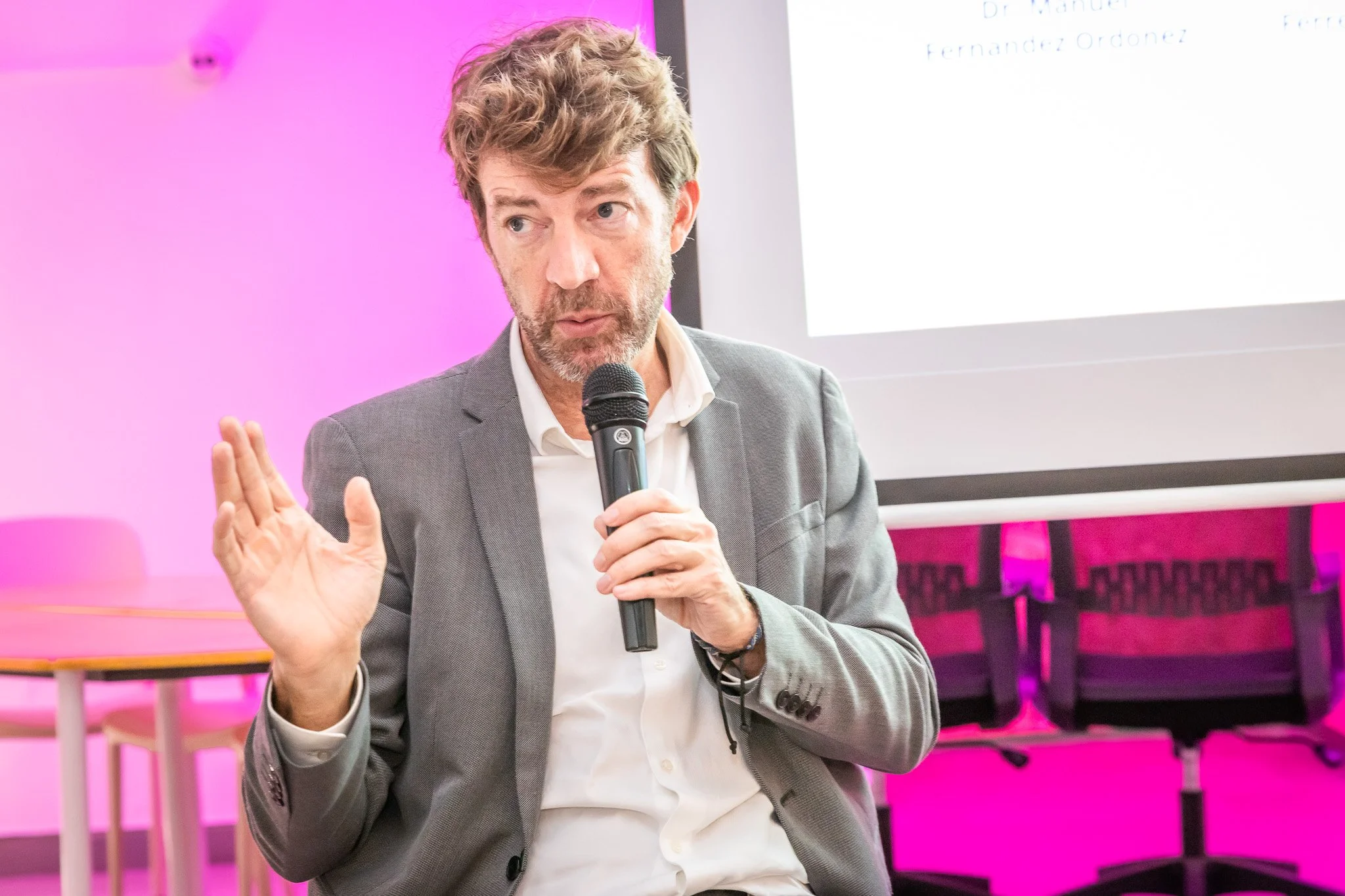
A huge thank you for all of our panelists - Dr. Manuel Fernández Ordóñez, Dr. Isabel Figuerola-Ferretti Garrigues, Guillermo López Arias, Juan Velasco and the amazing panel host Teemu Oksanen.
You can explore these topics in more depth through the spotlight interviews with several of our panelists:
The Economics of the Energy Transition: Risks, Realities and the Road Forward
Spotlight Interview with Dr. Isabel Figuerola‑Ferretti, Head of the Quantitative Finance Group and Co‑Director of the Low Carbon Hydrogen Center, Universidad Pontificia Comillas
Engines as the Backbone of a Reliable Energy Transition
Spotlight interview with Juan Velasco, Business development manager, Wärtsilä
Electromobility Advancing Innovation for a Resilient Energy Future
Spotlight interview with Guillermo López Arias, Country Manager Iberia, Kempower


Photos: Sami Auvinen