Five Decades Bridging Two Nations: Pekka Korhonen and the Evolution of Finnish-Spanish Commerce
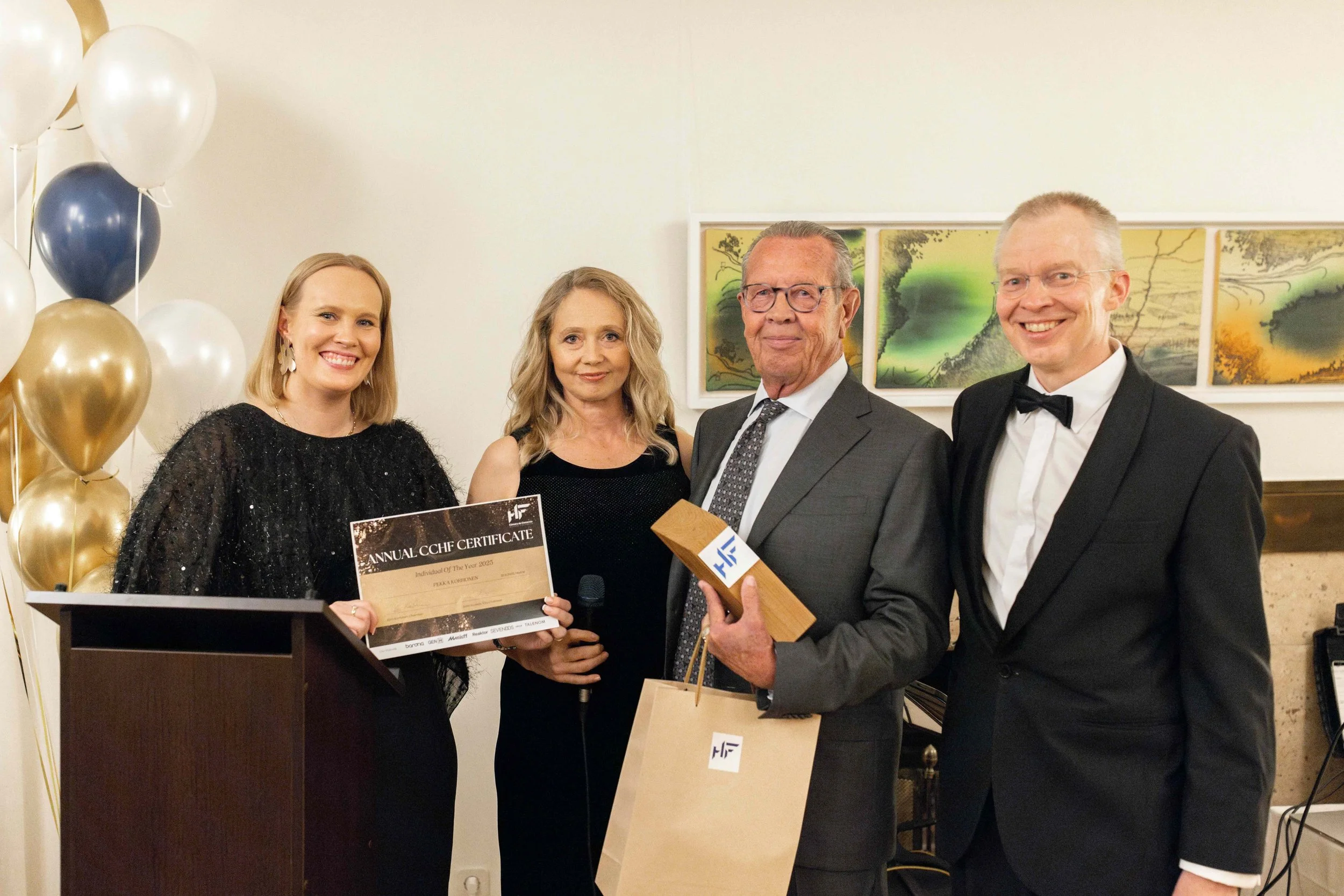
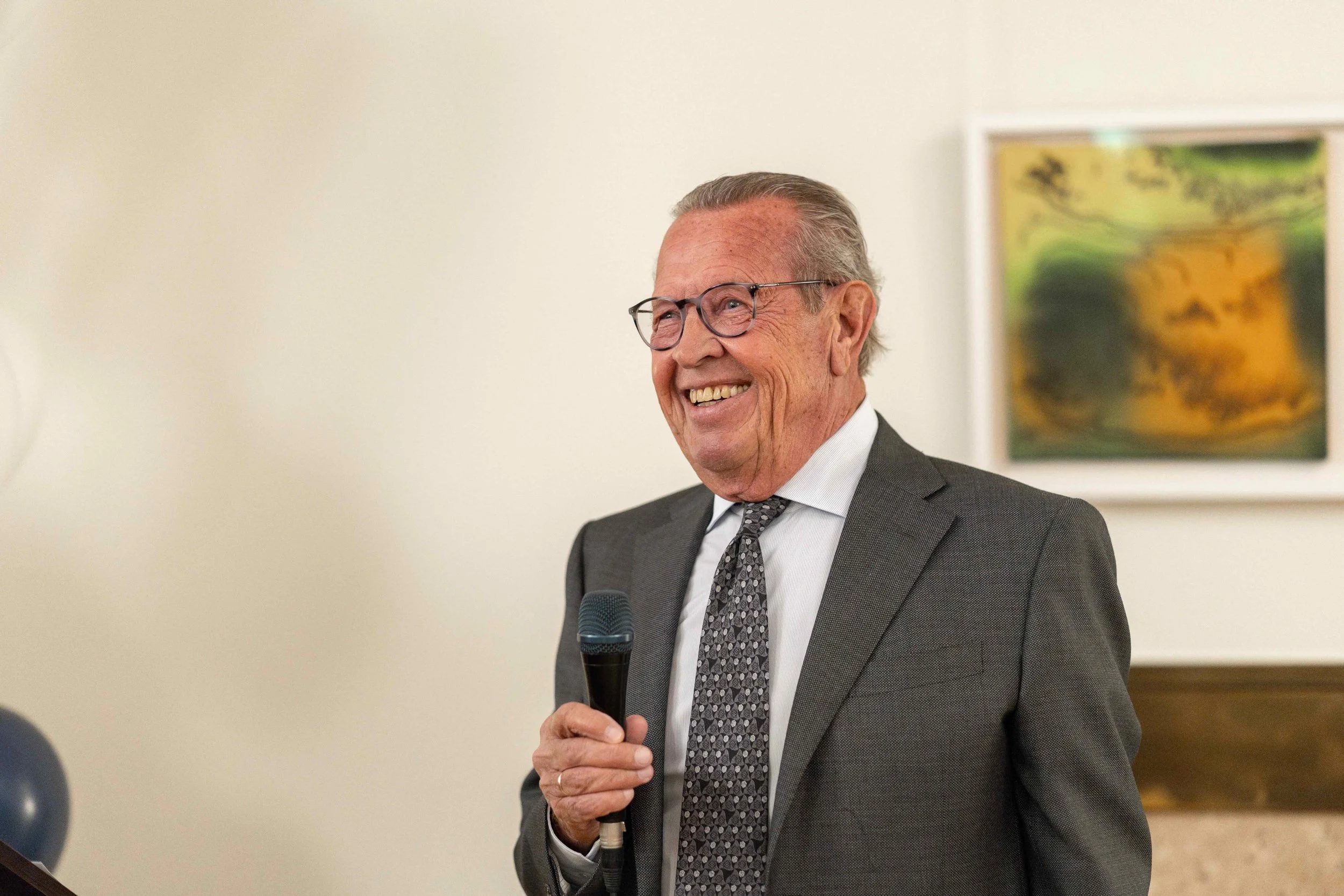
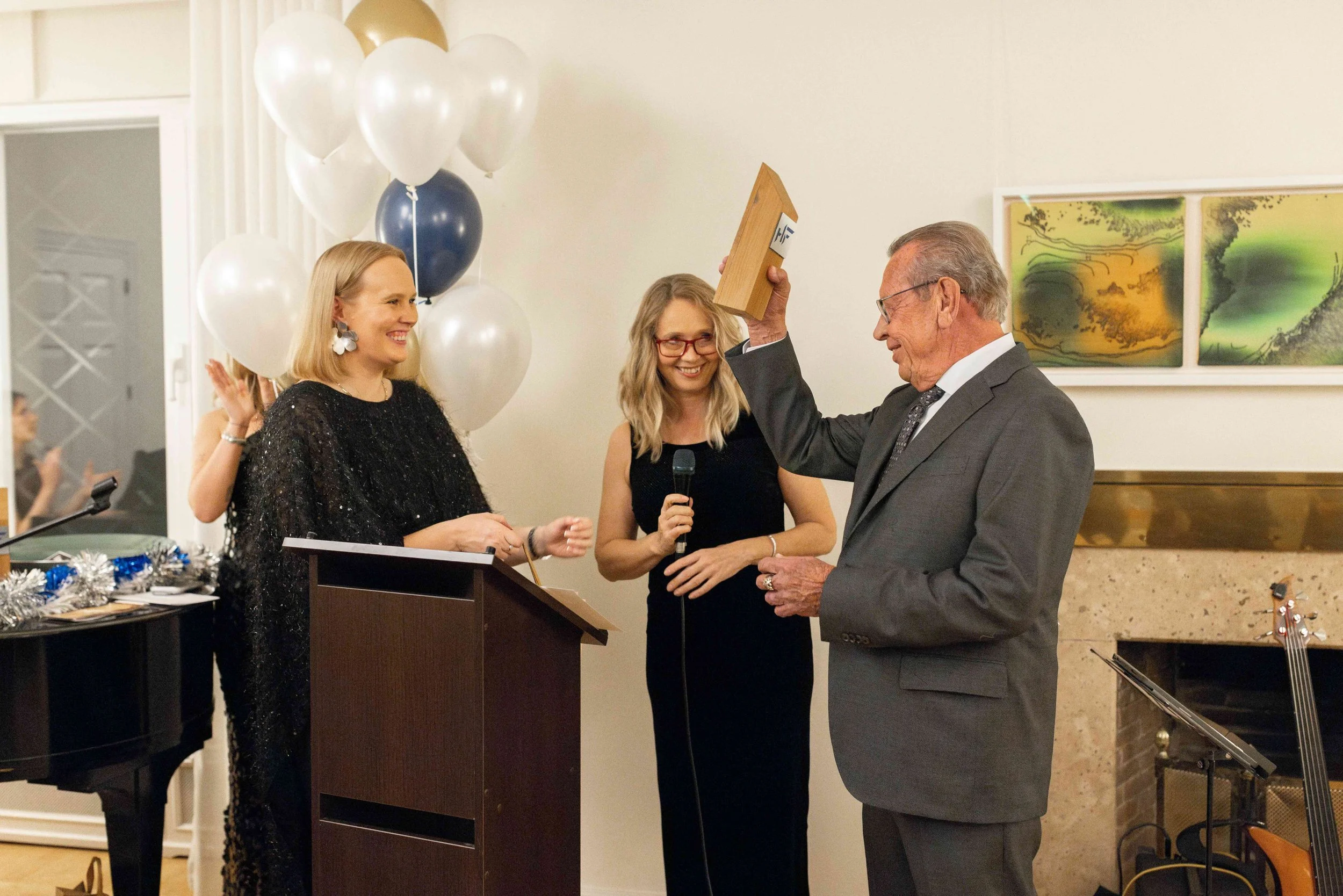
When the Finnish-Spanish Chamber of Commerce awarded its Lifetime Achievement Award to Pekka Korhonen at the end of 2025 at CCHF’s Annual Gala, we acknowledged a witness and actor who has spent over 45 years building commercial bridges between the two countries. His personal trajectory, from growing up in a family business in Mallorca to studying economics in Complutence University in Madrid and later foreign trade at EOI Business School, mirrors the evolution of bilateral commerce itself. With deep Spanish roots and a Finnish identity tied almost exclusively to business, he embodies the bicultural advantage that has helped Finnish companies succeed abroad.
1979 – The Year That Changed Everything
Korhonen remembers exactly the moment that revolutionized Finnish-Spanish trade: Spain's 1979 agreement with the European Free Trade Association (EFTA), which included Finland.
"It opened up huge trade opportunities," he says. Overnight, markets that had been dominated by high tariffs, bureaucracy, and restrictions began to open up.
The institutional response was swift. In 1979, the Asociación Comercial was founded to promote trade between the two countries, and a year later it evolved into the official Finnish-Spanish Chamber of Commerce.
Korhonen’s first major business venture symbolized the spirit of the times: importing peat moss from the Finnish state-owned company Vapo to Spain. A product that was a natural part of Finnish agricultural heritage found its way to new markets through newly opened trade routes.
Decades of Change – From Protectionism to Internal Markets
Korhonen has lived through three completely different eras in Finnish-Spanish commerce:
1970s: The Era of Protectionism
Trade was scarce and bureaucratic. Finland exported paper and pulp, Spain exported vegetables. Large cartels like Finnpap and Finncell dominated the trade. Finnish companies were reluctant to hire local staff, and every transaction required battles with authorities.
1980s–1990s: The Golden Age of the EFTA Agreement
The breaking down of barriers released energy. The Chamber experienced its most vibrant period: Christmas lunches for 300 people, golf tournaments, sponsored events. Korhonen served as Chairman twice and remained a Board member until the end of 2024. During this time, his business operated across multiple sectors, from fruits and vegetables to paper, from pulp to peat moss, and later in transport and automotive industry parts.
2000s Onwards: The EU Internal Market
As Korhonen puts it: bilateral trade agreements became obsolete when trade between Finland and Spain became "domestic trade" within the EU. Globalization changed the rules once again as English became the primary language, Finnish expatriates were replaced by local Spanish and Portuguese managers, and companies began thinking of Europe as one integrated whole.
The Greatest Achievement? It's Not a Single Deal
When asked to name the greatest achievement in Finnish-Spanish commerce, Korhonen doesn't mention a single deal or contract. Instead, he speaks of something more intangible yet more powerful: the Finnish brand.
"Companies like Kone, Wärtsilä, and Marioff have built something unique. 'Finnish' has come to mean quality and reliability," he explains. Packaging materials also remain a niche within the paper sector.
This brand, he says, has been built on a simple but effective philosophy: "First you have to sell yourself and trust in yourself, then the company, and then the customer buys the product. You sell the whole package."
The Future: From Traditional to Technology
The realist that he is, Korhonen doesn't sugar-coat reality. Traditional industries such as paper, pulp, industrial components for trains and buses, have reached their saturation point. Spain's shipbuilding industry no longer exists as a viable market.
But at the same time, he sees clearly where the future lies: in the green transition and high-technology solutions.
His example is Kempower, a company that has, according to him, "grown from zero to a hundred in a couple of years" by developing high-capacity chargers for electric buses and cars. "Instead of opening offices slowly country by country, Kempower opened offices and launched operations simultaneously across Europe and the United States," Korhonen describes.
Personal Touch in a Global World
In the age of modern technology, Korhonen still firmly believes in the power of personal contact. Online meetings are useful, but they don't replace face-to-face encounters.
His working method has remained unchanged: first a phone call, then confirmation by email, and ultimately a face-to-face meeting. He still makes annual business trips to Finland to meet with partners.
"Modern global connectivity can 'kill the localness' that institutions like a chamber of commerce are designed to foster," he reflects. The challenge remains: how to maintain a sense of community in a world where Finnish leaders have been replaced by local managers and physical presence has diminished?
A Legacy That Continues
Pekka Korhonen's Lifetime Achievement Award serves as a reminder that lasting business relationships are built on trust, cultural understanding, and long-term commitment.
And while technology and market structures change, trust, quality, and personal relationships remain at the core of business.
We are celebrating Pekka Korhonen as the “hispano-finlandés” representative in both business and the community!